
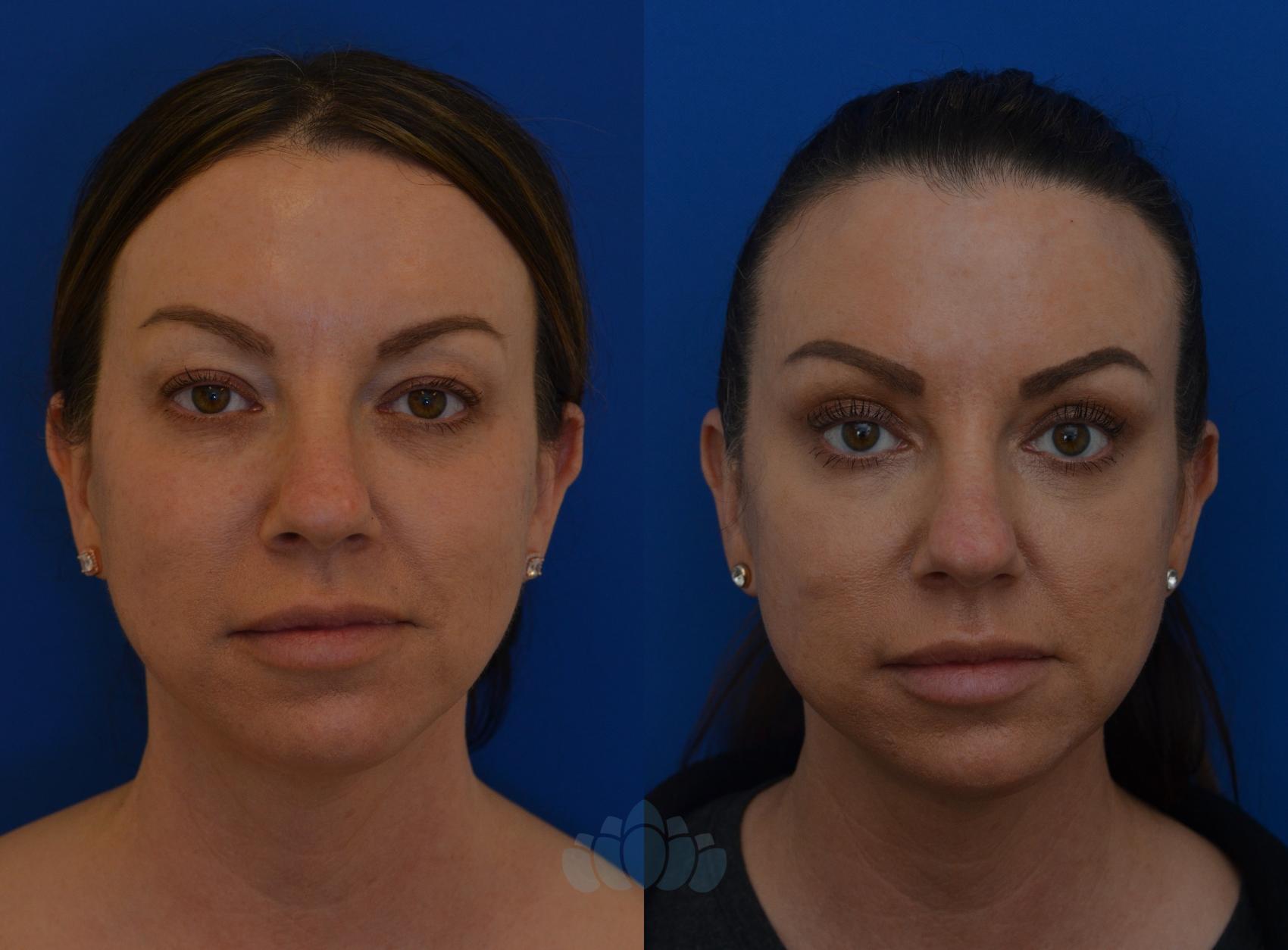
Eyelid surgery attracts attention from people who struggle with persistent dark circles that refuse to fade despite sleep adjustments and skincare routines, and the first thing you should know is that these circles can have structural causes that surgery may improve when topical solutions fail.
What makes dark circles appear so persistent?
Dark circles can stem from pigment changes, ligament hollows, fat loss, or thin skin. According to our editor’s research, many patients misunderstand these causes and try random creams without checking the root problem. When the problem sits under the skin, simple lifestyle changes rarely create major improvement. This is where eyelid surgery enters the conversation because it focuses on structural correction rather than temporary camouflage. People often want fast answers, but understanding the reason behind the darkness helps you set realistic expectations for any procedure. Surgeons often explain that surface treatments brighten the skin but do nothing for deeper shadows. This contrast makes eyelid procedures an important option for selected cases.
How does eyelid structure influence under-eye darkness?
The lower eyelid has fat pads that either protrude or sink over time. These changes create shadows that look like dark circles even when the skin itself has no pigmentation problem. As a result of our editor’s reviews, we consistently see that patients confuse shadowing with actual discoloration. When fat protrudes, light bends differently across the area and forms a dark contour. When fat sinks or volume drops, a hollow forms and the shadow looks even deeper. Skin thickness also plays a role because thin skin displays veins that create a blue hue. Eyelid surgery aims to reposition fat, smooth transitions, and reduce harsh shadowing. This approach can minimize the appearance of darkness by targeting the physical shape rather than the skin surface.
Can eyelid surgery actually reduce the darkness?
Eyelid surgery can reduce darkness when the cause is related to shadows or bulging fat. It cannot fully erase pigment issues. According to our editor’s research, surgeons assess patients using a detailed under-eye evaluation to determine which factor is the main driver. If the cause is structural, surgical correction usually provides a clear improvement. When veins or hollows create shadows, removing or repositioning fat can lift some of that darkness. When skin folds collapse, tightening restores a smoother contour. However, when the cause is strong pigmentation, additional non-surgical treatments are usually needed. Because of this distinction, expectations matter as much as the procedure itself. Patients who understand their anatomy usually report higher satisfaction.
What techniques are used during lower eyelid surgery?
Lower eyelid surgery often uses two common techniques depending on the patient’s structure. The transconjunctival approach removes or repositions fat without an external incision. This method helps people with prominent bags but no extra skin. It reduces shadows by smoothing the under-eye curve. The second approach is a skin-muscle flap technique used when loose skin requires tightening. This option supports both fat adjustment and skin repositioning. As a result of our editor’s reviews, surgeons often prefer fat repositioning over removal because it avoids hollowing and creates a more natural result. Both techniques aim to reduce shadowing that causes darkness. Choosing the right method depends on skin elasticity, fat distribution, and patient goals.
How long does healing take before improvement appears?
Most patients begin to notice early improvement within two to four weeks. Swelling can temporarily exaggerate darkness during the first few days. According to our editor’s research, the final improvement becomes visible around three months when tissues settle. Bruising usually fades in a week, but deeper swelling can last longer. Some surgeons recommend gentle cold compresses during early recovery. Others prefer warm compresses after bruising improves. Every suggestion supports smoother healing while maintaining safety. Most patients return to daily activities within a week. Realistic timelines help reduce anxiety during recovery. People who expect instant results feel anxious when early swelling appears, so understanding the timeline makes the process smoother.
Does eyelid surgery help everyone with dark circles?
Eyelid surgery helps people whose darkness comes from shadows, fat displacement, or hollowing. It does not help everyone. People with pigment issues see only partial improvement. According to our editor’s research, pigmentation is more common in certain skin types and may need chemical peels or laser support. Some patients also have a genetic component that surgery cannot change. Others experience vascular visibility that needs additional treatments. A proper consultation helps prevent disappointment. Many clinics explain that darkness is often a combination rather than a single cause. Surgery can fix structure but cannot erase pigment. When combined with skincare or lasers, patients usually see better results compared with one approach alone.
What should patients expect during consultation?
Surgeons examine the lower eyelid structure, skin elasticity, and fat distribution. They check for hollows, bulges, and pigment. As a result of our editor’s reviews, a detailed consultation often includes standardized photographs to compare outcomes. Doctors usually explain whether surgical or non-surgical options work better. They also review the patient’s medical history because allergies, sinus problems, or chronic rubbing can influence results. During this talk, many patients realize their dark circles are more structural than they assumed. Others discover that pigment is the main factor. Honest communication between doctor and patient ensures a more predictable experience. This step also sets the stage for combining treatments when needed.
What non-surgical options support eyelid surgery?
Non-surgical options include fillers, energy-based devices, and targeted skincare. Fillers help restore volume in hollow areas and soften deep shadows. Lasers can reduce pigmentation but cannot fix hollows. According to our editor’s research, many clinics use combination therapy to improve overall brightness. Skin boosters increase hydration and reduce dullness. Light chemical peels can lift superficial pigment. When paired with surgery, these methods provide layered improvement. Patients often appreciate how small adjustments amplify the surgical result. A balanced plan addresses structure first and surface second. This order improves longevity and natural appearance. Non-surgical support ensures the darkness does not return quickly.
Are results long-lasting after eyelid surgery?
Results usually last several years because eyelid structure changes slowly. Aging continues, but the improvement remains noticeable. As a result of our editor’s reviews, fat repositioning offers long-term stability because it preserves volume. Skin tightening effects may soften with time as natural aging unfolds. People who maintain healthy habits often enjoy better results. Sleep, hydration, and sun protection matter because they influence skin brightness. Dark circles can return slightly with age, but the correction remains better than before surgery. Regular checkups help maintain the outcome. Some patients use light fillers years later for minor touch-ups.
What should patients consider before deciding?
Patients should identify the true cause of their darkness. They should evaluate their expectations. According to our editor’s research, people often expect surgery to erase pigment, but that is not realistic. They should seek surgeons who explain structure clearly. They should ask whether fat repositioning or tightening is better. Patients must understand recovery timelines. People should also consider combining treatments for stronger results. An informed decision prevents dissatisfaction. When the root problem matches the procedure, the improvement feels transformative. When the problem is pigment alone, other methods work better than surgery.